Harry Potter first editions: how to tell if your old copy is valuable
How to check whether an old copy of Philosopher's Stone is a valuable first edition: the 1997 hardback print run, what the copyright page should say, the famous misprints, paperbacks and US editions, and what to do if you think you have one.
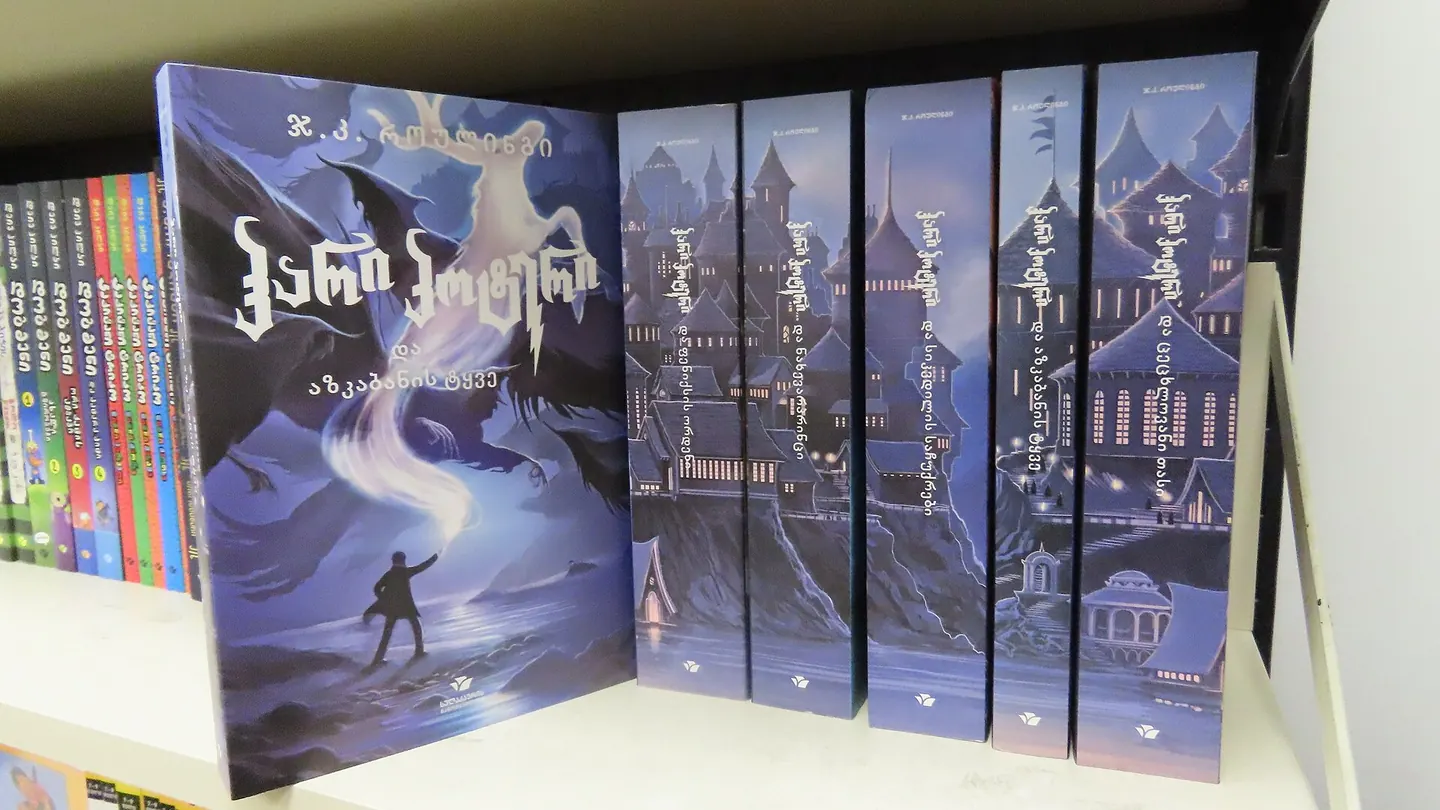
Somewhere in a loft or a charity shop, there might be a copy of Philosopher's Stone worth a small fortune. The first hardback printing in 1997 was tiny, and copies have sold at auction for tens of thousands of pounds. Before you get excited, here is how collectors tell a valuable first edition from the millions of later copies.
This is general information from the collecting world, not a valuation. If you think you have something special, ask an auction house or a specialist bookseller.
Why first editions are rare
When Bloomsbury published Philosopher's Stone on 26 June 1997, nobody knew what it would become. The first hardback print run is usually reported as 500 copies, many of them sent to libraries, where they were stamped, borrowed and worn out. Only a fraction survive in good condition, which is why they are so prized. See how old the franchise is.
How to check your copy
Collectors look for a combination of signs. In general, a true first printing of the first hardback should have:
- Publisher: Bloomsbury, London, 1997.
- The number line on the copyright page running 10 9 8 7 6 5 4 3 2 1, with the "1" present.
- The author's name given as "Joanne Rowling" on the copyright page, rather than "J.K. Rowling".
- The famous misprint: on the back cover, "Philosopher's" misspelled as "Philospher's" in the publisher's blurb.
- A list of school equipment on page 53 with "1 wand" listed twice, a well-known error.
A copy with several of these signs is worth investigating. A copy with none of them is almost certainly a later printing, which is still a lovely book.
Paperbacks and other editions
- The first paperback, published the same day, is more common but early printings are also collectable.
- The first US edition, Sorcerer's Stone from Scholastic in 1998, had a much larger print run and is usually worth far less, though early printings in fine condition still interest collectors.
- Later books had enormous first print runs, so their first editions are rarely valuable unless signed or in exceptional condition.
What affects value
- Condition: clean, unmarked, tight bindings and sharp corners matter most.
- Library copies: stamps and stickers reduce value but do not erase it, given the rarity.
- Signatures and provenance: a verified signature or interesting history can add a great deal.
What to do next
- Do not repair or clean it yourself.
- Photograph the copyright page, the back cover and the spine.
- Contact an established auction house or member of a booksellers' association for an opinion.
For everyone else
You do not need a first edition to love the books. Collect the editions you enjoy: illustrated editions, house editions or the copy that has been read to pieces. See the books in order.
Quick questions
How many first editions of Philosopher's Stone were printed? The first hardback print run is usually reported as 500 copies.
How do I know if I have a first edition? Check for Bloomsbury 1997, a number line ending in 1, "Joanne Rowling" on the copyright page and the known misprints.
Are US first editions valuable? Usually much less so; the first US printing was far larger.
Sources
- Harry Potter book series turns 20
CBS News · Checked
AP report for the 20th anniversary, used for the publication date.
- The very first appearance of Harry Potter
Sotheby's · Checked
Article on first-edition copies of Philosopher's Stone and the small first print run. Reviewer: confirm the page title and the print-run figure.
Owl Post
One letter a week, no spoilers
Series news, new guides and the best of the lore, every Friday. Free, and you can leave with one click.
The conversation
Your take, fellow fan.
Got a detail we missed? A theory worth arguing about? Make your case. Keep it friendly, and keep personal details out.
JavaScript is needed for this optional discussion; the full article is readable without it.
Keep going