Mandrakes: the screaming plants of Herbology, in the books and in real folklore
Mandrakes explained: the screaming root of Professor Sprout's second-year lesson, why the cry can kill, earmuffs and repotting, the Mandrake Restorative Draught, and the centuries of real European folklore behind the plant.
This article contains spoilers — reveal content
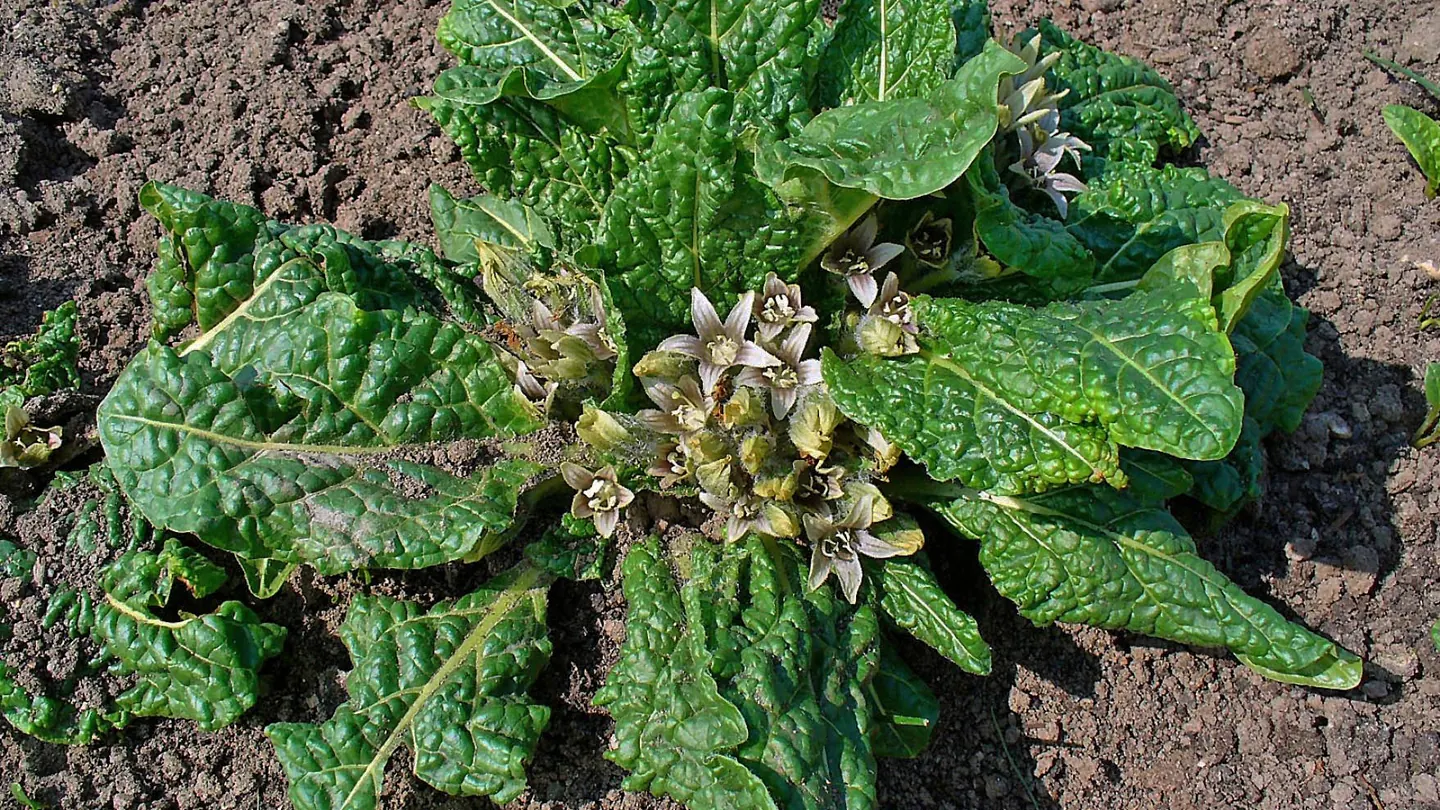

The first Herbology lesson of second year is one every reader remembers: a greenhouse full of tufty little plants in pots, a class in pink and fluffy earmuffs, and a scream that could knock you out. The Mandrake is one of the best inventions in the books, except that it is not entirely an invention. People have been afraid of mandrakes for two thousand years.
Spoiler level: Mandrakes appear in book two. Their role in the plot is in a spoiler fold.
At a glance
- What: a magical plant whose root looks like a small, ugly baby
- Danger: the cry of a mature Mandrake is fatal; a young one's knocks you out for hours
- Protection: earmuffs, firmly on
- Use: the main ingredient of the restorative draught that reverses petrification and other curses
- Taught by: Professor Sprout, in Herbology
- First appears: Chamber of Secrets, book two
The repotting lesson
In Chamber of Secrets, Professor Sprout shows the second-years how to repot young Mandrakes. She pulls one up by its tufty leaves: the root is a small, muddy, extremely ugly baby, bawling at the top of its lungs. The class wear earmuffs, and still Neville faints because he has not put his on properly.
Repotting is hard work. The roots kick, struggle and try to bite, and the students end the lesson sweaty and covered in compost. It is one of the funniest set pieces of the book, and it is all a setup.
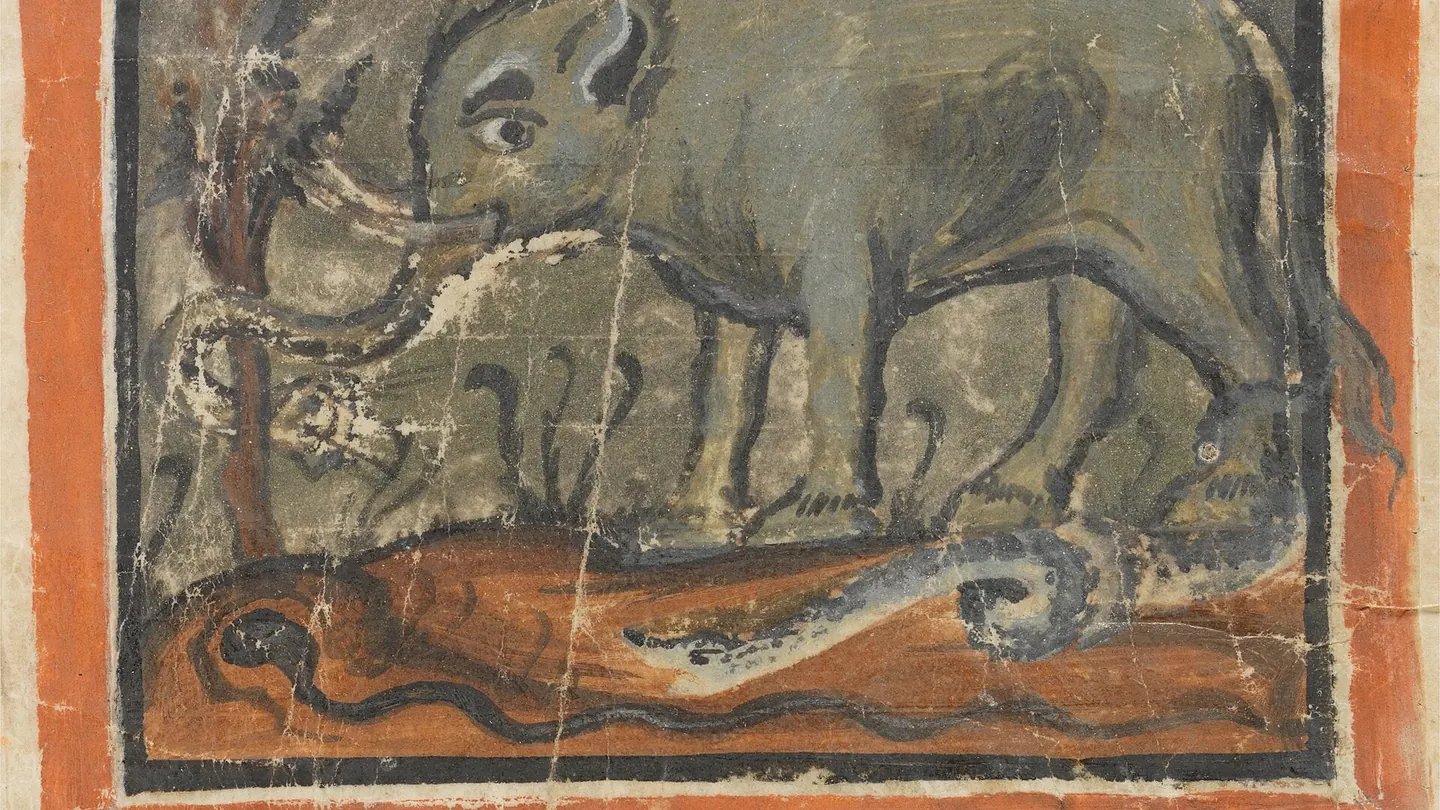
A mandrake in a medieval health handbook.
How Mandrakes grow
According to the books, Mandrakes go through stages like children: they get acne, then have their first parties, sulk, and try to move into each other's pots. When they are fully mature, they can be cut up and stewed. It is a brilliantly odd piece of world-building that makes the plants feel almost like people.
Spoiler sectionwhy Mandrakes matter in book twoTap to reveal
why Mandrakes matter in book two
When students start being Petrified by the monster of the Chamber of Secrets, the only cure is the Mandrake Restorative Draught. The whole school waits for Sprout's Mandrakes to mature. When they finally do, at the end of the year, the victims are revived, including Hermione. See the basilisk and every potion in the books.
The real mandrake
The mandrake is a real plant, Mandragora officinarum, native to the Mediterranean. Its forked root can look like a human figure, and it contains powerful, poisonous alkaloids. For centuries Europeans believed:
- It screamed when pulled from the ground, and the scream killed whoever heard it.
- Dogs were used to pull it up safely, tied to the root by a cord, while the herbalist stood far away with their ears blocked.
- It had powers as a medicine, a sleeping draught and a love charm.
Medieval herbals are full of illustrations of the root drawn as a little man or woman. The books took that legend and gave it earmuffs. Shakespeare mentions the shrieking mandrake too, in Romeo and Juliet.
Never eat a real mandrake. It is genuinely poisonous.
Quick questions
What happens if you hear a Mandrake cry? A mature Mandrake's cry is fatal; a young one's knocks you unconscious.
What are Mandrakes used for? The restorative draught that revives people who have been Petrified.
Are mandrakes real? Yes. The real plant is poisonous, and European folklore claimed its scream could kill.
Sources
- Most dangerous potions, poisons and plants
Harry Potter (official) · Checked
Official feature on dangerous magic. Reviewer: confirm the page title and whether it mentions Mandrakes.
- Mandrake
Harry Potter (official) · Checked
Official fact file on the Mandrake. Reviewer: confirm the page resolves and the details match.
Owl Post
One letter a week, no spoilers
Series news, new guides and the best of the lore, every Friday. Free, and you can leave with one click.
The conversation
Your take, fellow fan.
Got a detail we missed? A theory worth arguing about? Make your case. Keep it friendly, and keep personal details out.
JavaScript is needed for this optional discussion; the full article is readable without it.
Keep going