The Order of the Phoenix: Dumbledore's secret society, explained
The Order of the Phoenix explained: the secret society Dumbledore founded to fight Voldemort, its headquarters at Grimmauld Place, the original and second Order, its members, its missions and its losses.
This article contains spoilers — reveal content
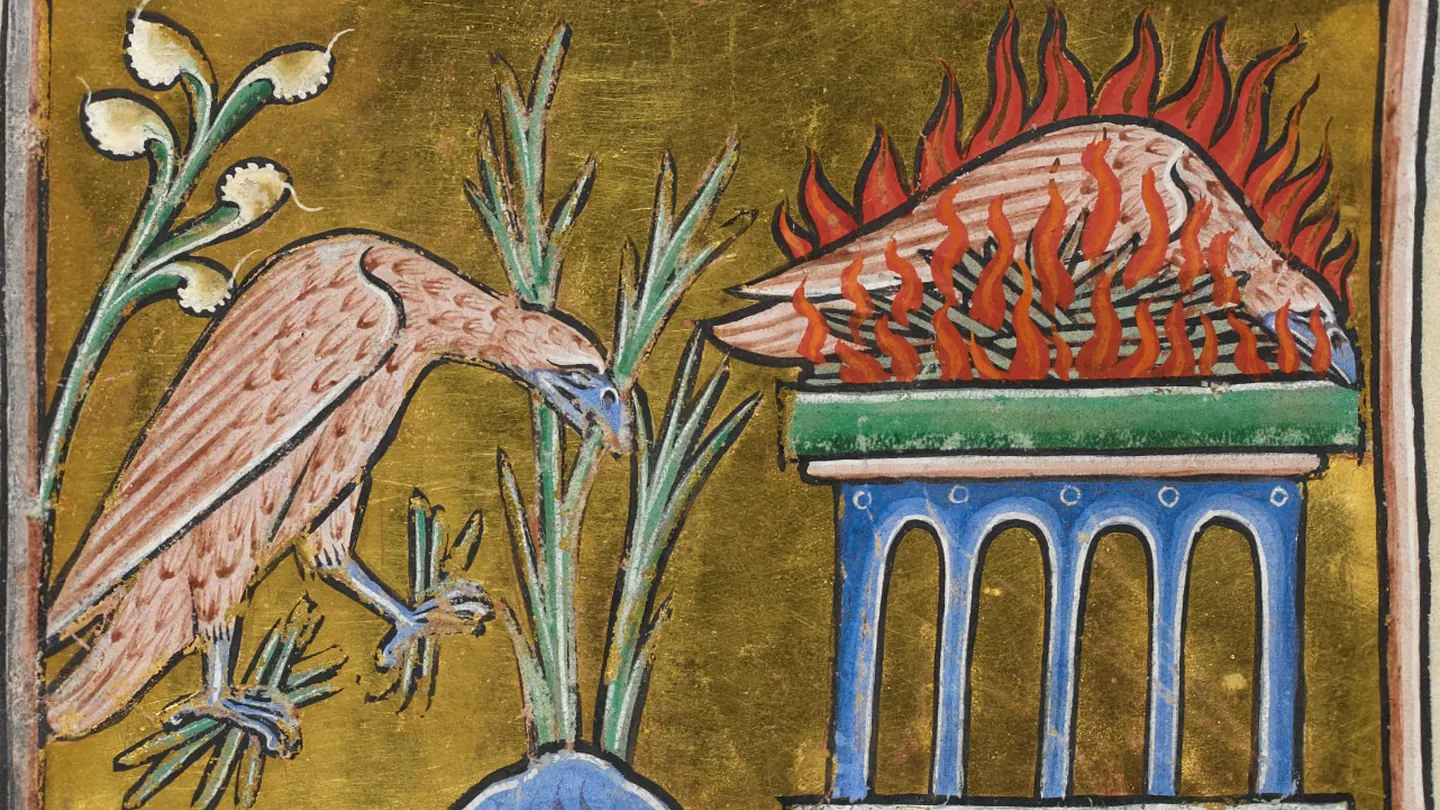
When the Ministry of Magic refused to see what was happening during Voldemort's first rise, Albus Dumbledore formed a secret society to fight him. It was named after the bird that symbolises rebirth and loyalty, and after Dumbledore's own phoenix, Fawkes. In book five, the Order of the Phoenix is reborn, and Harry finally learns what the adults have been doing while he was at school.
Spoiler level: this entry covers books five to seven.
At a glance
- What: a secret society founded by Dumbledore to oppose Voldemort and the Death Eaters
- Founded: during the first wizarding war, in the 1970s
- Re-formed: at the end of Goblet of Fire
- Headquarters: number twelve, Grimmauld Place, London, the Black family home
- Membership: adult witches and wizards only, to Harry's frustration
- Rivals: the Death Eaters
The first Order
The original Order fought the first war and lost many members. In book five, Mad-Eye Moody shows Harry a photograph of the original Order, pointing out who was killed and how. Among them are James and Lily Potter, Frank and Alice Longbottom, Sirius Black, Remus Lupin, Peter Pettigrew and Hagrid. It is one of the most haunting scenes in the series.
Grimmauld Place
The second Order meets at number twelve, Grimmauld Place, the gloomy ancestral home of the Black family, offered by Sirius. It is protected by the Fidelius Charm, so it can only be found by those told its location by the Secret-Keeper, Dumbledore. The house is full of dark objects, a screaming portrait of Sirius's mother and a mutinous house-elf, Kreacher. See house-elves.
Who is in the Order
- Albus Dumbledore, founder and leader
- Sirius Black and Remus Lupin
- Molly and Arthur Weasley, Bill and Charlie Weasley
- Alastor "Mad-Eye" Moody, retired Auror
- Nymphadora Tonks and Kingsley Shacklebolt, Aurors
- Rubeus Hagrid and Minerva McGonagall
- Severus Snape, as a double agent
- Mundungus Fletcher, an unreliable petty criminal
- Later, Fred, George and Fleur
What the Order does
Guarding the prophecy in the Department of Mysteries, recruiting giants and werewolves before Voldemort can, protecting Harry at Privet Drive, spying on Death Eaters and keeping Muggle-born families safe. Most of it is unglamorous, dangerous and secret, which is why Harry, desperate to help, is kept out of it.
The Order's losses
The second war costs the Order dearly: Sirius at the Ministry; Dumbledore on the Astronomy Tower; Mad-Eye Moody during the escape from Privet Drive; and Lupin, Tonks and Fred at the Battle of Hogwarts. Their sacrifice, alongside Dumbledore's Army, is what wins the war. See Dumbledore's Army.
Quick questions
Who founded the Order of the Phoenix? Albus Dumbledore.
Where is the Order of the Phoenix's headquarters? Number twelve, Grimmauld Place, in London.
Were Harry's parents in the Order? Yes, James and Lily Potter were members of the original Order.
Sources
- Albus Dumbledore
Harry Potter (official) · Checked
Official fact file on Dumbledore, founder of the Order.
- The Order of the Phoenix
Harry Potter (official) · Checked
Official fact file on the Order. Reviewer: confirm the page resolves and the details match.
Owl Post
One letter a week, no spoilers
Series news, new guides and the best of the lore, every Friday. Free, and you can leave with one click.
The conversation
Your take, fellow fan.
Got a detail we missed? A theory worth arguing about? Make your case. Keep it friendly, and keep personal details out.
JavaScript is needed for this optional discussion; the full article is readable without it.
Keep going