Peeves the poltergeist: the castle's chaos agent the films left out
Who Peeves is, what a poltergeist does, who can control him, his best moments in Philosopher's Stone, why the films cut him, and how the HBO series brings him back.
This article contains spoilers — reveal content
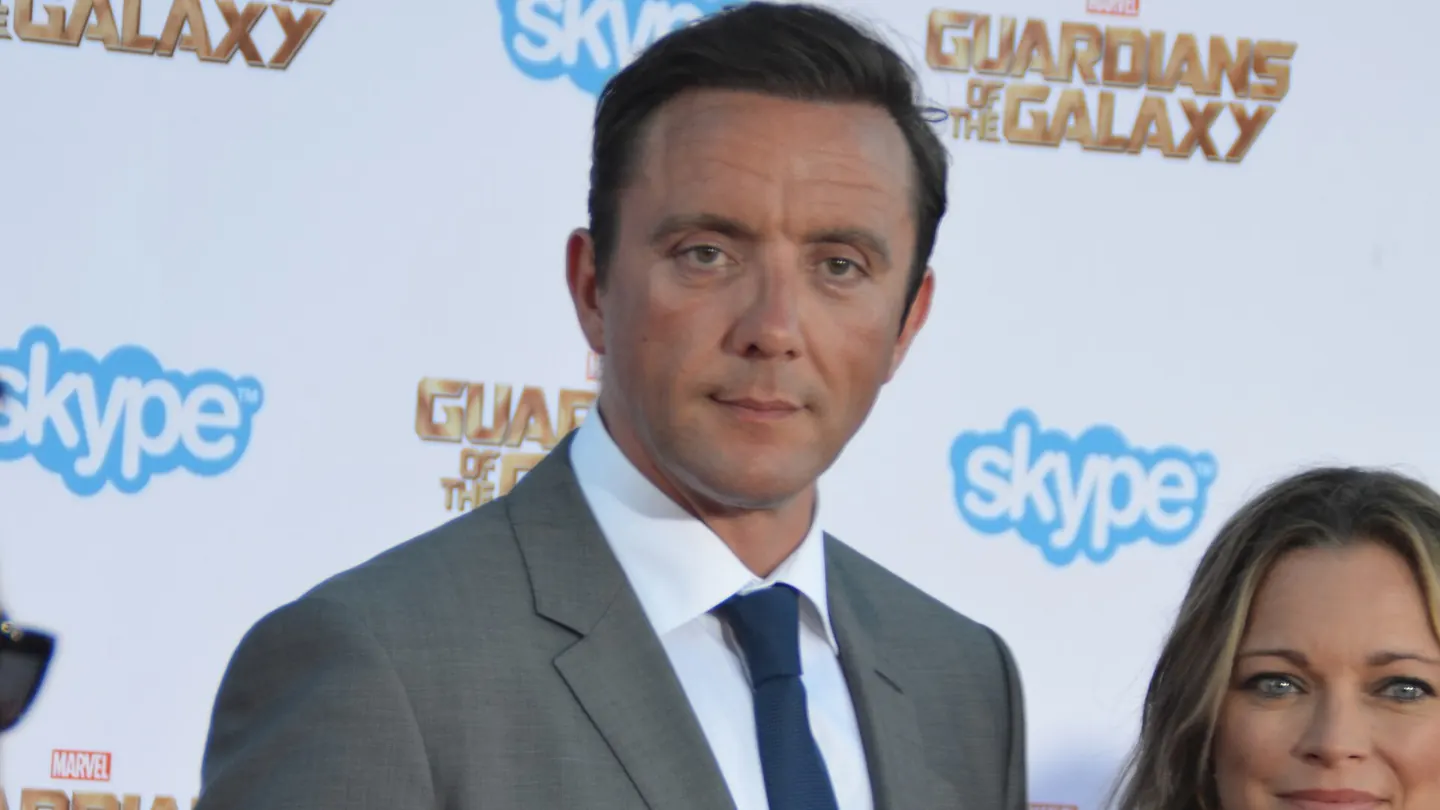

Peeves is not a ghost. He is a poltergeist: a spirit of chaos who has haunted the castle for as long as anyone can remember, dropping water balloons, jamming keyholes with chewing gum and singing rude songs about the students. Book readers love him. Film viewers have never met him. The HBO series is about to change that.
At a glance
- What he is: a poltergeist, an invisible-or-visible spirit that causes mischief, not the ghost of a person
- Appearance: a little man with wicked dark eyes and a wide mouth, often in a bell-covered hat and orange bow tie
- Lives: in the castle, everywhere at once
- Afraid of: only the Bloody Baron, Slytherin's ghost
- Enemy: Argus Filch, the caretaker
- In the HBO series: Peter Serafinowicz
Ghost or poltergeist?
The castle's ghosts, like Nearly Headless Nick, are the spirits of people who died. Peeves never lived at all. He can be solid when he wants to, which is how he throws things, and he can vanish at will. He is chaos made into a person, and the castle has learned to live with him, mostly.
Peeves in book one
- The first night. On the way to Gryffindor Tower, the new first-years are pelted with walking sticks floating in mid-air. It is Peeves. Percy threatens to fetch the Bloody Baron, and Peeves retreats.
- The night-time chase. When Harry, Ron, Hermione and Neville are out of bed after a failed midnight duel, Peeves finds them and threatens to shout for Filch. Ron swipes at him. Peeves yells, and the four end up hiding behind a locked door that Hermione opens with a spell. Behind it is a three-headed dog.
- Filch's misery. A running joke of the book is Filch chasing Peeves around the castle and never catching him.
That second scene is one of the most important in book one: without Peeves, the trio might never have found what was guarding the third-floor corridor.
Who can control Peeves?
Almost nobody. Teachers tolerate him, Filch has tried for years to get him thrown out, and Dumbledore refuses. The Bloody Baron is the only ghost Peeves fears. He respects, a little, anyone who out-chaoses him.
Why the films cut him
Rik Mayall was cast as Peeves in the first film, but his scenes were cut before release, and the character never appeared in the films again. For many fans this was the biggest omission of the adaptations: Peeves is part of what makes the castle feel alive and slightly dangerous. Our guide to what the films left out covers the others.
Spoiler sectionPeeves's finest hourTap to reveal
Peeves's finest hour
Peeves becomes a hero in Order of the Phoenix. When Fred and George leave school in a blaze of fireworks, they tell him to give Umbridge hell from them, and he does: smashing lamps, dropping inkwells and following her around blowing raspberries. Professor McGonagall is seen telling him that a chandelier unscrews the other way.
In the Battle of Hogwarts he drops Snargaluff pods on Death Eaters, and afterwards sings a victory song about Voldemort's defeat.
Peeves in the HBO series
Peter Serafinowicz plays Peeves. After a quarter of a century off screen, he is one of the most anticipated additions to the castle. See the full cast.
Quick questions
Is Peeves a ghost? No. He is a poltergeist who was never alive.
Who is Peeves scared of? The Bloody Baron.
Was Peeves in the films? He was cast and filmed for the first film but cut before release.
Sources
- Every actor confirmed for HBO Original series Harry Potter
Harry Potter (official) · Checked
Confirms Peter Serafinowicz as Peeves in the HBO series.
- Peeves
Harry Potter (official) · Checked
Official fact file: the castle's poltergeist, who enjoys causing chaos in the corridors.
Owl Post
One letter a week, no spoilers
Series news, new guides and the best of the lore, every Friday. Free, and you can leave with one click.
The conversation
Your take, fellow fan.
Got a detail we missed? A theory worth arguing about? Make your case. Keep it friendly, and keep personal details out.
JavaScript is needed for this optional discussion; the full article is readable without it.
Keep going