Wizard money explained: Galleons, Sickles and Knuts, and what they are worth
How wizarding money works: Galleons, Sickles and Knuts, the odd 17 and 29 conversion rates, what things cost in the books, how Harry's fortune compares with the Weasleys', and what a Galleon might be worth in pounds.
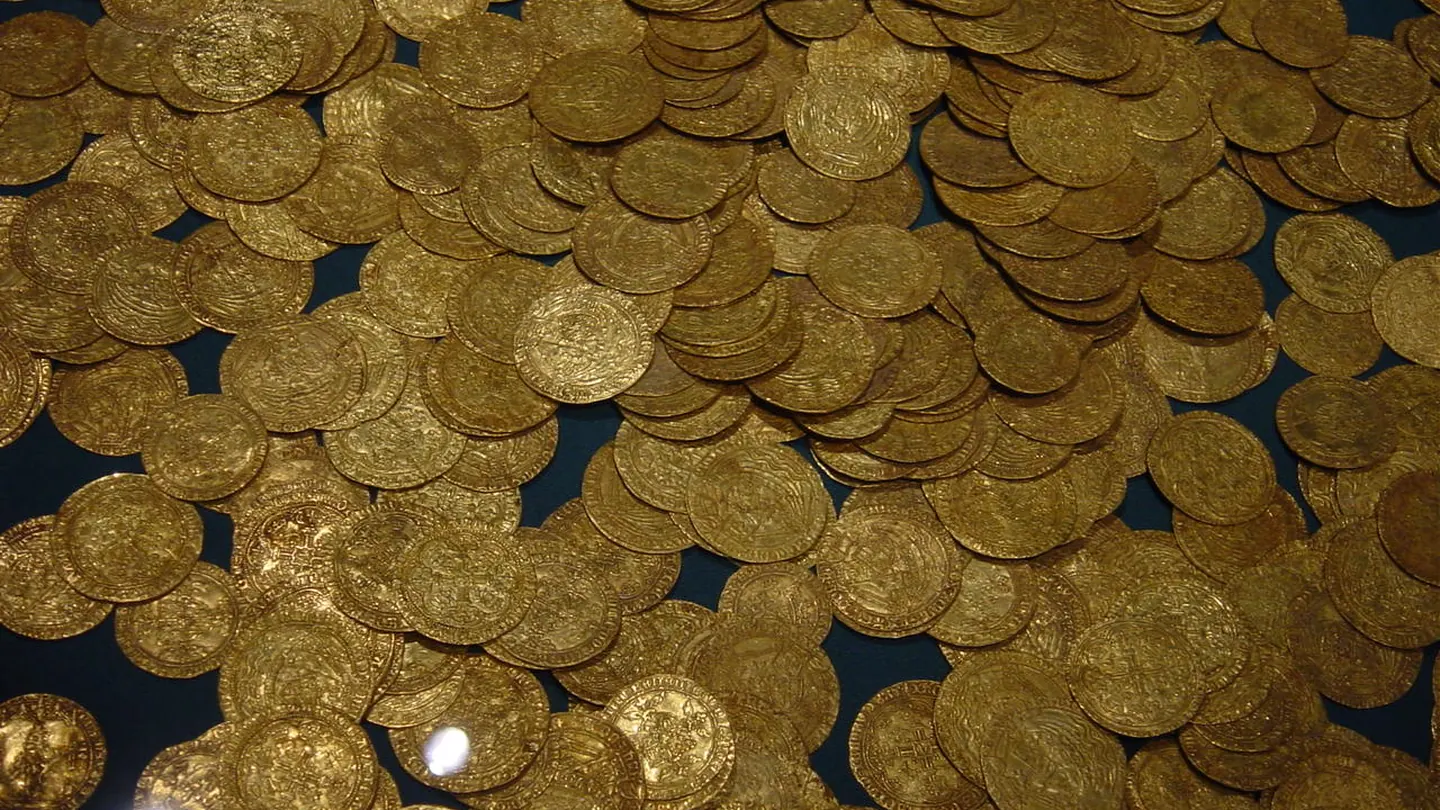
On his first trip to Diagon Alley, Harry discovers two things: his parents left him a small mountain of gold, and wizarding currency makes no sense at all. Hagrid explains it in one breath on the way down to the vaults. Fans have been doing the maths ever since.
The coins
- Galleon — a large gold coin
- Sickle — a silver coin
- Knut — a small bronze coin
17 Sickles make a Galleon. 29 Knuts make a Sickle. That makes 493 Knuts in a Galleon.
The numbers are deliberately awkward: both are prime numbers, and the system seems designed by people who never had to do the sums. The old British system of pounds, shillings and pence, with 12 pennies to the shilling and 20 shillings to the pound, was famously complicated too. Wizarding money is a joke on that.
Where money lives
All wizarding money is kept at Gringotts, the goblin bank, in vaults far under London. Harry's vault, number 687, is full of piles of gold Galleons, columns of silver Sickles and heaps of bronze Knuts. He is, for an eleven-year-old, rich.
What things cost in the books
- A wand: seven Galleons, at Ollivanders
- A newspaper delivered by owl: five Knuts, paid into a pouch on the owl's leg
- A Chocolate Frog or a bag of sweets on the train: a few Sickles and Knuts; Harry buys a whole armful for eleven Sickles and seven Knuts
- The prize for the Triwizard Tournament: a thousand Galleons
- The Daily Prophet's Grand Prize Galleon Draw: seven hundred Galleons, which the Weasleys win in book three and spend on a trip to Egypt
- Second-hand robes and books: what the Weasleys mostly buy, with care
Rich and poor
The books are quietly sharp about money. Harry has more gold than he can spend; the Weasleys have barely any, and Ron feels it every time he opens his hand-me-down trunk. The Malfoys flaunt theirs. When Harry buys the whole trolley on the train and shares it with Ron, it is the first time he has ever had money, and the first thing he does is give some away.
What is a Galleon worth in real money?
The books never say, and fans have argued for years. In a 2001 interview for charity, the author suggested a Galleon was worth about five pounds, though that figure is decades old and not part of the books. By that estimate a wand cost about £35, and Harry's vault held a comfortable fortune rather than a vast one. Treat any exchange rate as fan fun, not canon.
Exchanging Muggle money
Muggle-born families change their money at Gringotts. Hermione's parents exchange pounds there before term in book two. That is about the only official point of contact between the two economies.
Quick questions
How many Sickles are in a Galleon? Seventeen.
How many Knuts are in a Sickle? Twenty-nine, which makes 493 Knuts in a Galleon.
How much does a wand cost? Seven Galleons, at Ollivanders.
Sources
- Gringotts
Harry Potter (official) · Checked
Official fact file on the wizarding bank.
- Diagon Alley
Harry Potter (official) · Checked
Official fact file on Diagon Alley, used for shopping context. Reviewer: confirm the page resolves.
Owl Post
One letter a week, no spoilers
Series news, new guides and the best of the lore, every Friday. Free, and you can leave with one click.
The conversation
Your take, fellow fan.
Got a detail we missed? A theory worth arguing about? Make your case. Keep it friendly, and keep personal details out.
JavaScript is needed for this optional discussion; the full article is readable without it.
Keep going