Wand woods and cores explained: what your wand says about you
Ollivander's wandlore made simple: the three cores he trusts, what the most famous woods mean, why the wand chooses the wizard, and the wands of Harry, Ron and Hermione.
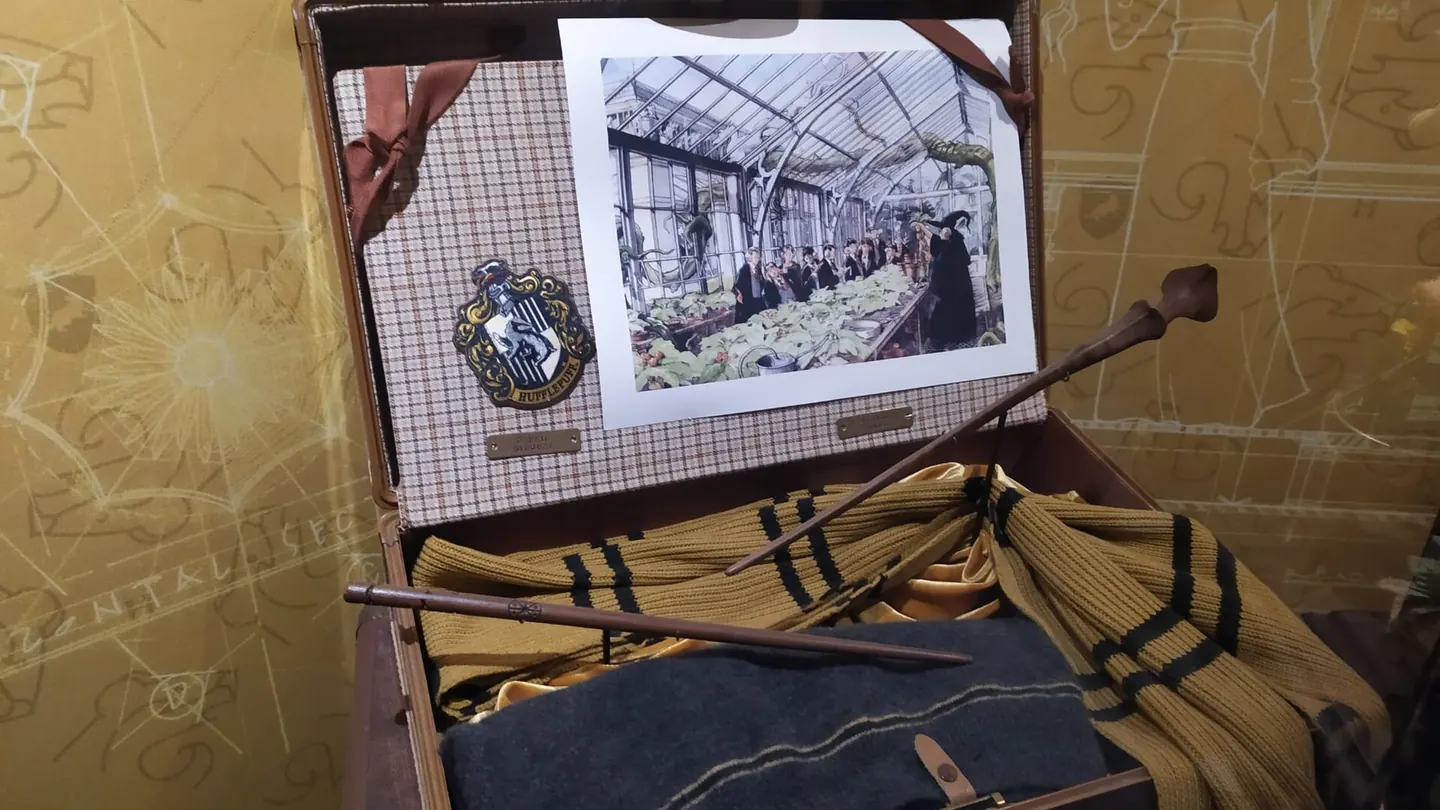

"The wand chooses the wizard." It is one of the most quoted lines from the first book, spoken by Mr Ollivander as box after box fails to work for Harry. Behind it is a whole system of wandlore, and once you know it, every wand in the story starts to say something about its owner.
The three cores
A wand has a magical core running through a length of wood. Ollivander, the finest wandmaker in Britain, uses only three:
- Unicorn hair. The most consistent magic, the most faithful to its first owner, and the hardest to turn to the Dark Arts. Less powerful than the others, and the hair can "die" if the wand is badly mishandled.
- Dragon heartstring. The most powerful, and the quickest to learn spells. Also the most temperamental, and the easiest to turn to dark magic.
- Phoenix feather. The rarest. Capable of the widest range of magic, but independent and slow to bond. These wands are the pickiest about who owns them.
Woods worth knowing
Ollivander's notes describe dozens of woods. A few that matter to the story:
- Holly. One of the rarer woods, said to suit people who need help overcoming anger or impetuousness, and often chosen by owners on a dangerous quest. Harry's wand is holly.
- Vine. Drawn to people with hidden depths and a larger vision than others expect of them. Hermione's wand is vine.
- Willow. Prefers owners with potential rather than confidence, people who are often more capable than they believe. Ron's second wand is willow.
- Yew. Associated with the power over life and death.
- Elder. The rarest of all, and a wood that, in Ollivander's words, only a highly unusual person will ever match.
The wands of the trio
- Harry: holly and phoenix feather, eleven inches, "nice and supple". The phoenix that gave the feather gave only one other, and that coincidence is what makes Ollivander call Harry's wand "curious".
- Hermione: vine and dragon heartstring, ten and three-quarter inches.
- Ron: in book one, a battered hand-me-down from his brother Charlie, with a unicorn hair poking out of the end. A proper wand of his own comes later.
Why the wand chooses
Wandlore treats a wand as something close to alive. A wand bonds with its owner, learns from them, and can even change allegiance if it is won from them. That is why buying a wand is not shopping: it is a meeting.
In the HBO series
Anton Lesser plays Garrick Ollivander in Season One, and the shop scene is in every adaptation for a reason. Walk the whole street in our Diagon Alley guide.
Sources
- Wand woods
Harry Potter (official) · Checked
Ollivander's notes on individual woods: holly as one of the rarer woods, elder as matched only by highly unusual people, and others. Reviewer: check every wood description against this page.
- Wand cores
Harry Potter (official) · Checked
Ollivander's three cores; unicorn hair the most consistent and hardest to turn to the Dark Arts, dragon heartstring the most powerful and quickest to learn, phoenix feather the rarest and most independent.
- What does your wand mean?
Harry Potter (official) · Checked
Official feature summarising wand meanings.
Owl Post
One letter a week, no spoilers
Series news, new guides and the best of the lore, every Friday. Free, and you can leave with one click.
The conversation
Your take, fellow fan.
Got a detail we missed? A theory worth arguing about? Make your case. Keep it friendly, and keep personal details out.
JavaScript is needed for this optional discussion; the full article is readable without it.
Keep going